A Young American with Close Ties to Africa Establishes a Social Enterprise to Empower African Women

The Indego Africa mission is to provide reliable income, develop job skills, and afford export market access to African women.
Continue reading
Category
The Indego Africa mission is to provide reliable income, develop job skills, and afford export market access to African women.
Continue reading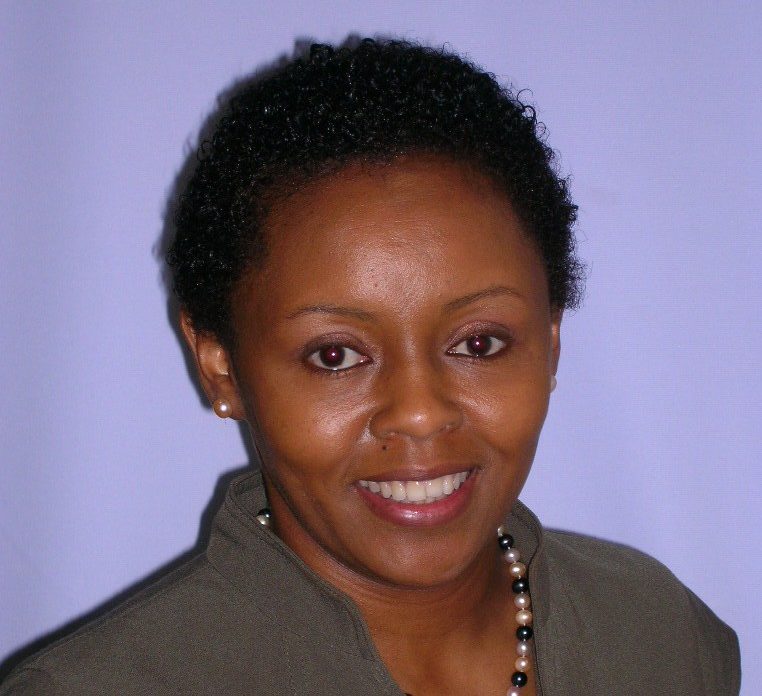
African governments and people need to open their eyes and be aware that land, food and water need to be treasured and valued as other valuable natural resources.
Continue reading
Through the Let Girls Learn, the U.S. is funding over 50 programs and projects that support girls’ education around the world.
Continue reading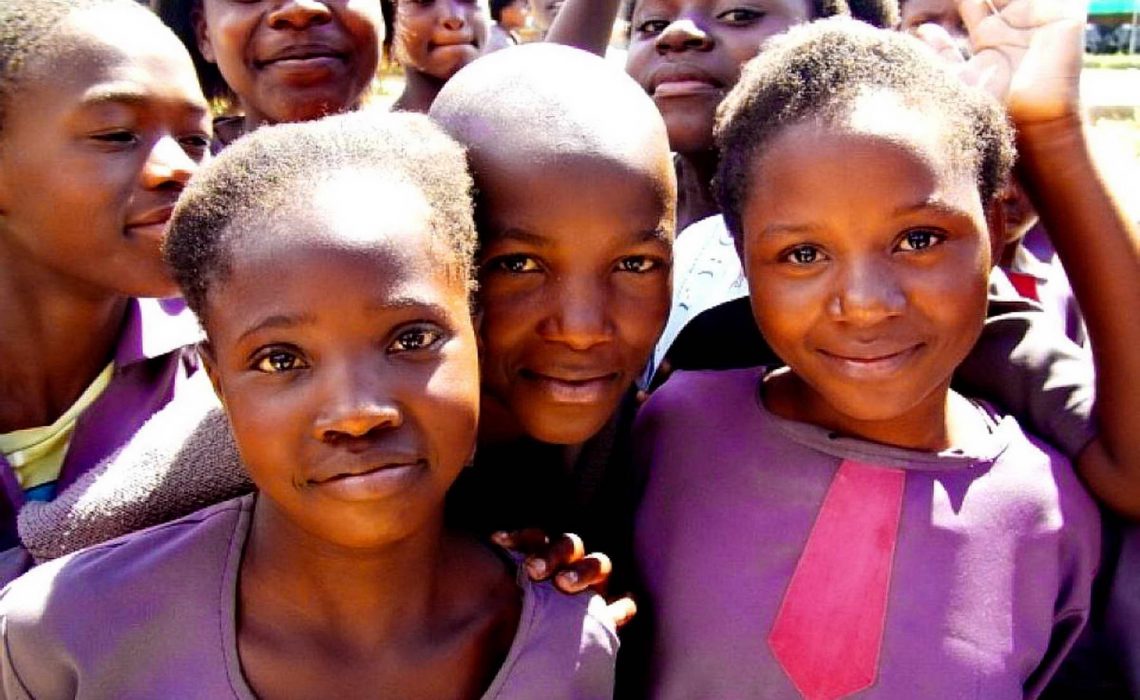
In the Africa of yore, it was simply enough for women to be satisfied with traditional roles of raising children, cooking and other roles assigned to them by their respective society. Those roles have traditionally greased the ambitious wheels of their husband and male counterparts, and often in the past led to discriminations, repressions and subjugations of women by men. Right now, a cultural shift is taking place among men- fathers are now valuing their daughters as much as their they valued sons and thus encouraging girls to pursue education and work outside of home, and as a result, there are a new breed of leaders in Africa: Women.
In the last decade, Africa now counts a historic five female presidents. Rwanda- the once war-torn country now ranks highest in Africa as the most inclusive society for women in sub-Saharan Africa for having women majority in its parliament.
Continue reading African Development Bank is using this year’s Sustainable Energy for All Africa conference to push forward its renewable energy agenda for Africa as well as raise awareness among African countries and development partners about ensuring gender equality.
During a three-day meeting held last week in Abidjan, AfDB’s Acting First Vice President and Chief Operating Officer, Charles Boamah told a group of more than 100 international and domestic business, government, and civil society leaders that an expeditious improvement of access to renewable energy has become a top priority of many African countries and leaders, and that the Bank plans to “ramp up its investments- equity, loans, grants and guarantees along with co-financing and syndication,” under the New Deal on Energy for Africa.
Continue reading