
Kemi Osukoya | Market & Policy
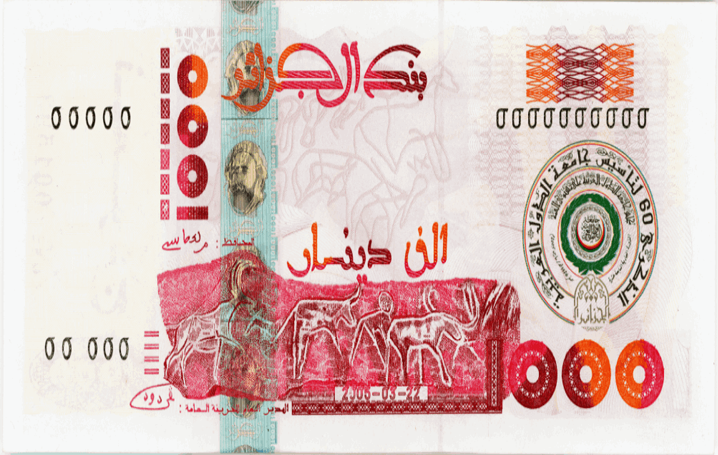
Algeria’s President Abdelmadjid Tebboune moved swiftly this week to reshape the country’s economic command center, dismissing Bank of Algeria Governor Salah Eddine Taleb and appointing his deputy, Mouatassem Boudiaf, as interim governor.
The decision, announced without public explanation, lands at a delicate moment for Africa’s third-largest economy—and sends a clear message to investors that monetary policy is entering a new, less predictable phase.
The shake-up follows closely on the president’s recent address to parliament, where Tebboune struck a confident tone, portraying Algeria as entering a “decisive economic phase” fueled by investment momentum and structural reform. He framed governance reforms as a continuous process “for the people and by the people,” and warned that attempts—domestic or foreign—to disrupt the trajectory would fail. The central bank change now tests that narrative, raising questions about whether Algeria’s reform drive will reinforce institutional independence or concentrate economic authority more tightly within the executive.
AFFILIATE PARTNER BRAND
Sudden leadership changes like this at a central bank, particularly without explanation, tend to unsettle markets. For markets and global investors, the concern is less about personalities than policy direction. Algeria, which already operates under currency controls, faces persistent fiscal pressures, and remains heavily exposed to volatile hydrocarbon revenues. Any perception that monetary policy could be subordinated to short-term political goals—such as easier credit or deficit financing—risks undermining confidence in price stability and foreign-exchange management, economists note.
The stakes are high. An International Monetary Fund assessment last year warned of widening fiscal and current-account deficits as public spending remains elevated amid fluctuating oil and gas output. In that environment, it noted that careful coordination between fiscal and monetary authorities is essential to avoid inflationary pressures or liquidity shocks. A more politicized central bank would complicate that balancing act while a reform-minded one could, in contrast, help stabilize the macroeconomic outlook.
Either way— the central bank reshuffle is likely to sharpens markets and investors’ focus on institutional independence, policy credibility, and the sustainability of Algeria’s growth narrative. If the move heralds pragmatic reform, it could reinforce confidence. If it points to politicized monetary management, it risks adding friction to an economy already navigating fiscal strain and energy volatility.
Optimists see the move as part of a broader recalibration—an attempt to align monetary policy more closely with the government’s growth agenda at a time when Algeria is courting investment across energy, infrastructure, and manufacturing while pessimists worry it signals tighter political control over the levers of finance.
Markets, investors and partners will be watching for early signals from the new acting governor on currency management, credit policy, and transparency to determine prevailing agenda.
The leadership change also unfolds against a backdrop of steady, if complex, U.S.–Algeria relations. President Tebboune on Tuesday received outgoing U.S. Ambassador Elizabeth Moore Aubin for a farewell visit, underscoring ongoing diplomatic engagement. Washington views Algeria as a key partner in North Africa and the Sahel, particularly in counterterrorism, even as tensions linger over Western Sahara following U.S. recognition of Moroccan sovereignty in 2020—a move Algiers strongly opposed.
Although economically, the relationship between the two countries remains substantial—Algeria is one of Africa’s largest natural gas producers, and U.S. energy majors—including ExxonMobil, Chevron, and Occidental Petroleum—have operated in the country for decades, plus Sonatrach’s recent Memorandum of Understanding with Occidental to deepen hydrocarbon cooperation reflects that enduring commercial link. The Trump admininstration’s recent costly B-1/B2 visa bond policy requirements is likely to add to trade tension between the two countries.
Bilateral trade in goods and services totaled roughly $3.9 billion in 2024, anchoring the relationship in energy and industrial exchange.